Our Church
Footpaths, nature & the Camino
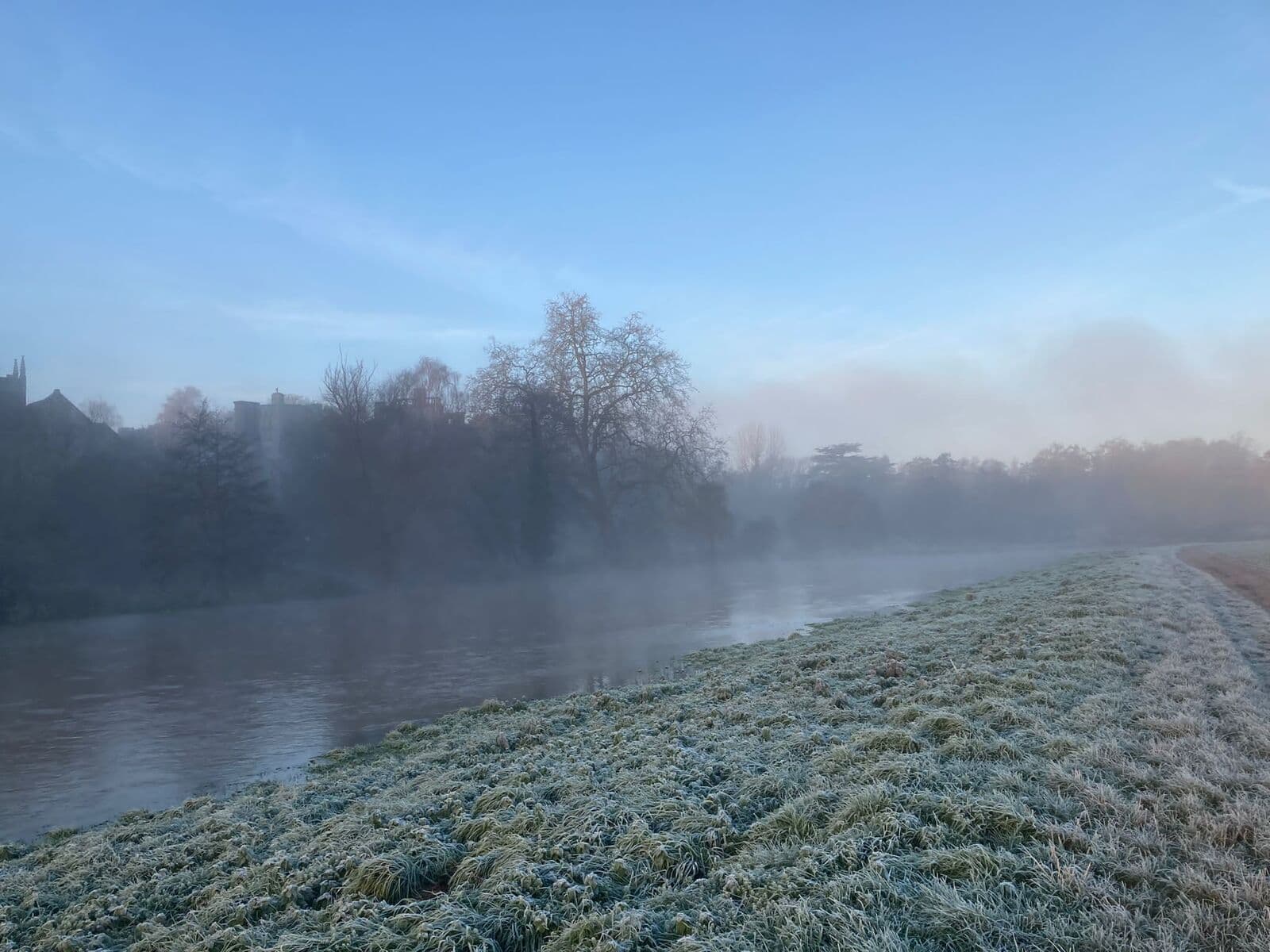
The footpaths from our churchyard lead out across open fields to the River Avon. They are a place to breathe, to watch the wildlife, and, for a church named after St James the Great, to follow a path with a much older meaning.
Pathways across the fields
From the churchyard to the river
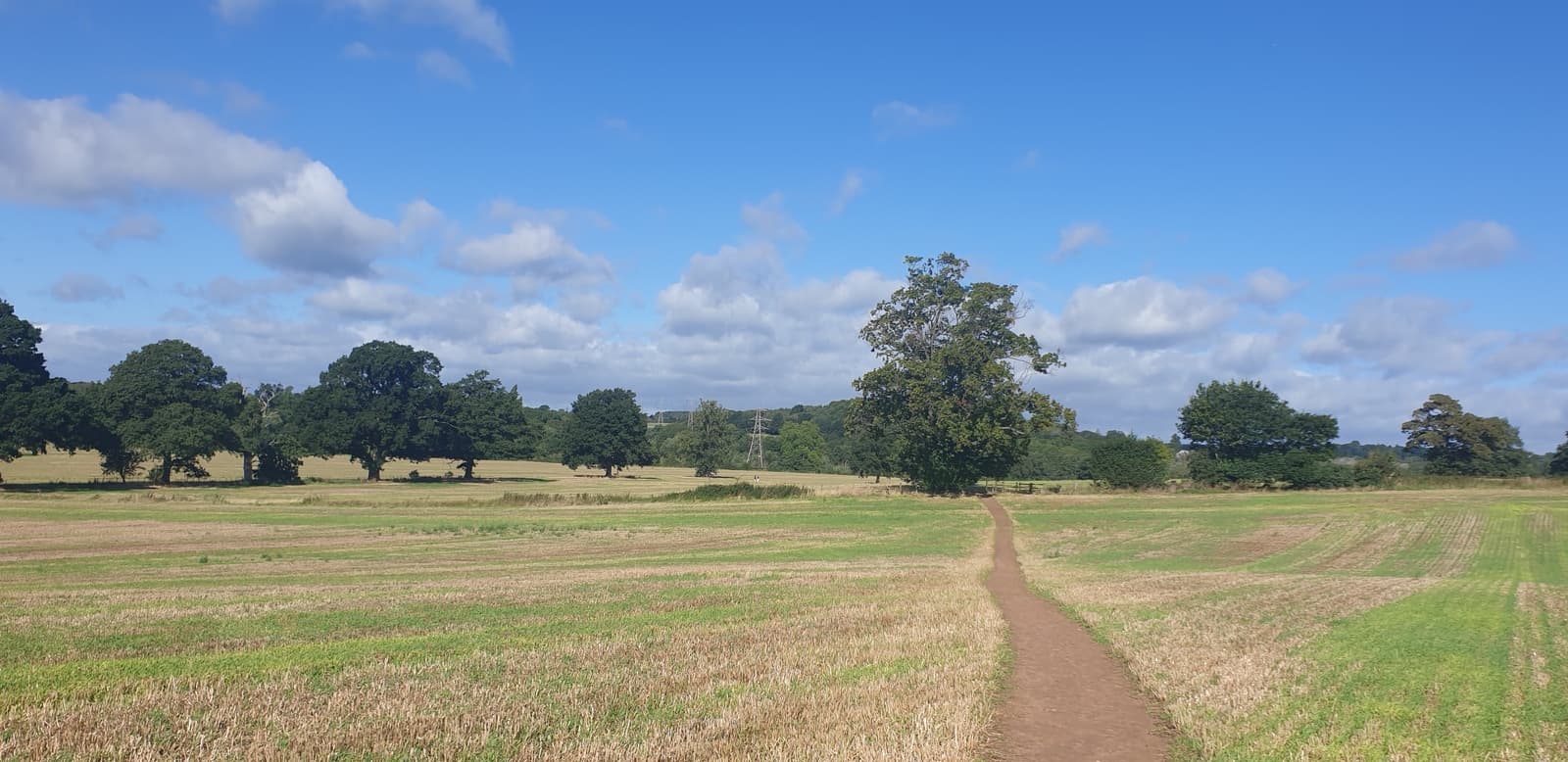
The fields behind the church are farmland now, but they were originally parkland belonging to the owners of Guy's Cliffe House, with lovely specimen trees to provide a great view from their house overlooking the Avon.
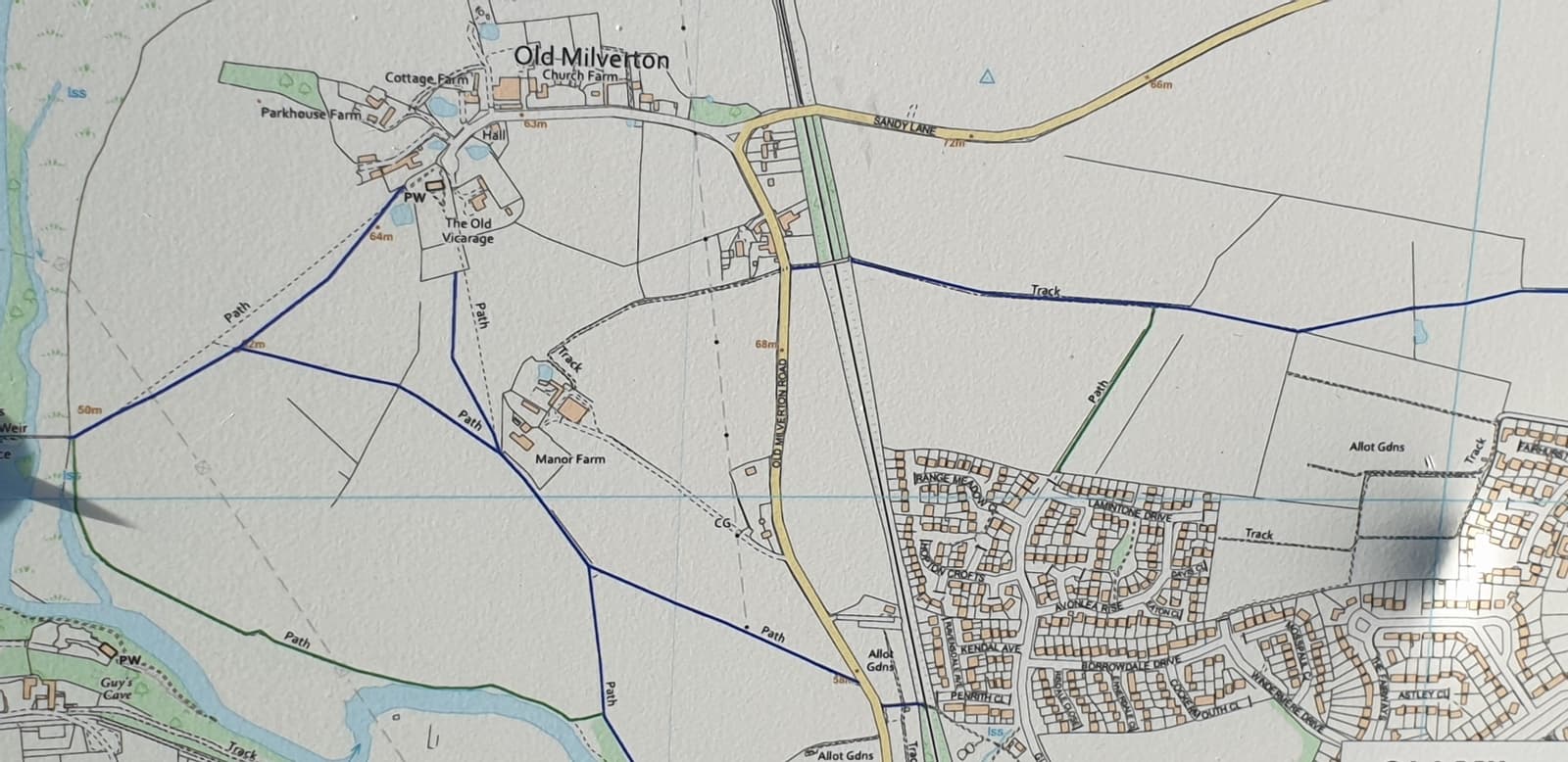
Today we have the popular public footpaths leading from the church across the fields down to the River Avon and across the footbridge to stop for refreshments at the Saxon Mill, and on to the built-up areas of Warwick. Alternatively, there are also paths across the fields to Old Milverton and Leamington Spa.
Good soil, careful farming
Crops and crop rotation
The majority of the land is a very good quality soil, and it is farmed with the wildlife in mind as well as the harvest.
The biodiversity of the land is supported by crop rotation, which maintains the health of the soil and minimises the chemicals used.
Starflower
Grown for the pharmaceutical industry.
Wheat
A staple of the rotation across these fields.
Beans
A break crop that helps feed the soil.
Oats
Grown for the oat milk market.
A wildlife corridor
What you might meet on the path
The land is a wildlife corridor, connecting Old Milverton with the countryside to the east. Muntjac and roe deer roam here, and there have been sightings of snipe, woodcock, lapwings, skylarks and buzzards.

In the churchyard itself
Meadow, hedge and a carpet of snowdrops
The secret garden
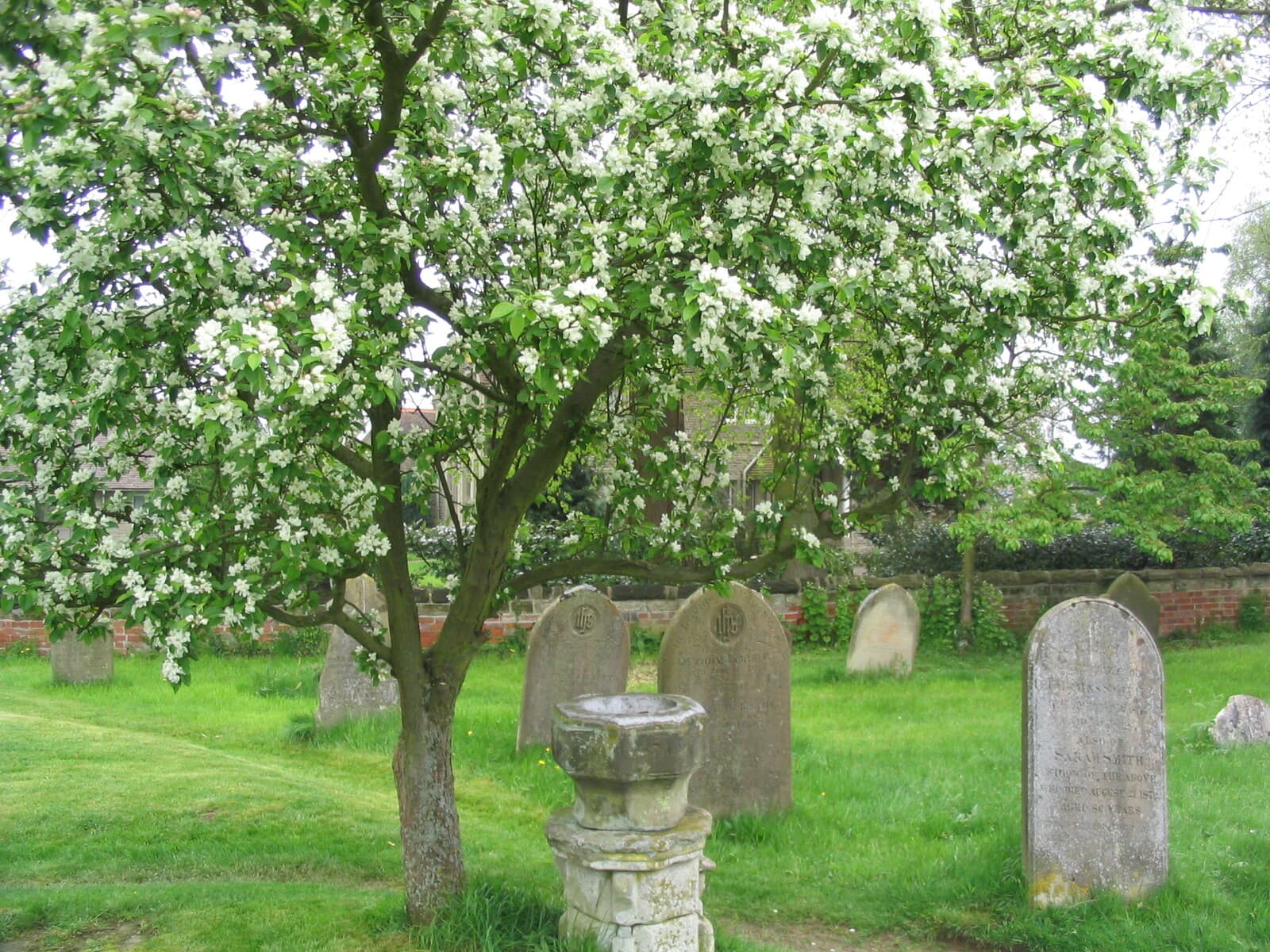
Some areas in the churchyard are left unmown to encourage biodiversity. It is an interesting balance to keep, between the wishes of those who come to visit the graves and like to see things well tended, and those committed to encouraging wildlife. We are establishing a wildflower meadow in the new churchyard, known affectionately by the children at the Montessori Nursery as 'the secret garden'. It is not an easy process.
A new native hedge
The hedge between the churchyard and the field was beginning to look a bit thin, so new whips were planted in 2023. A range of native varieties was chosen: hawthorn, blackthorn, wild cherry, alder, guelder rose, dog rose, hazel, wild privet and bird cherry, all selected to feed and shelter both the birds and other creatures.
Snowdrops and daffodils
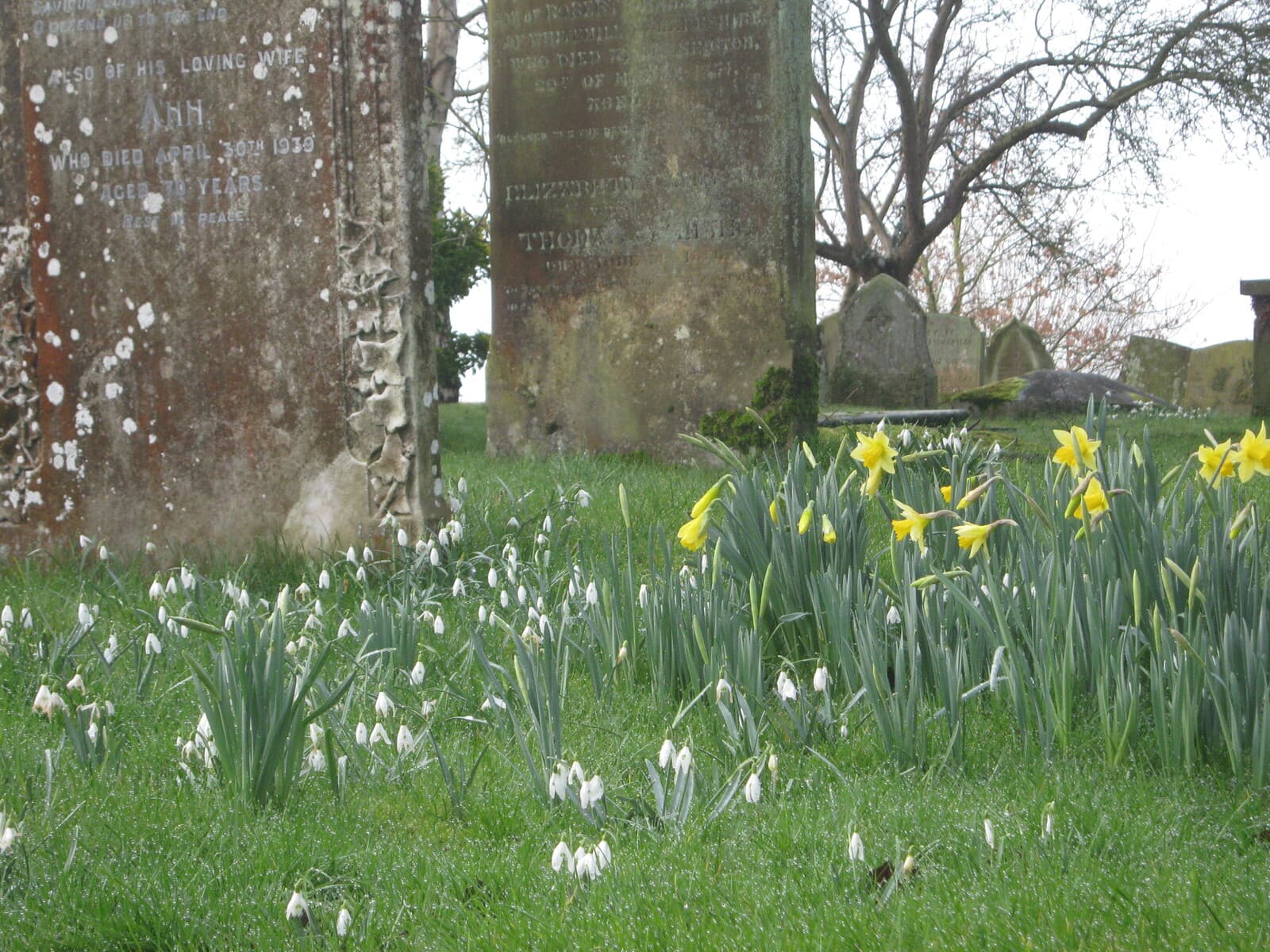
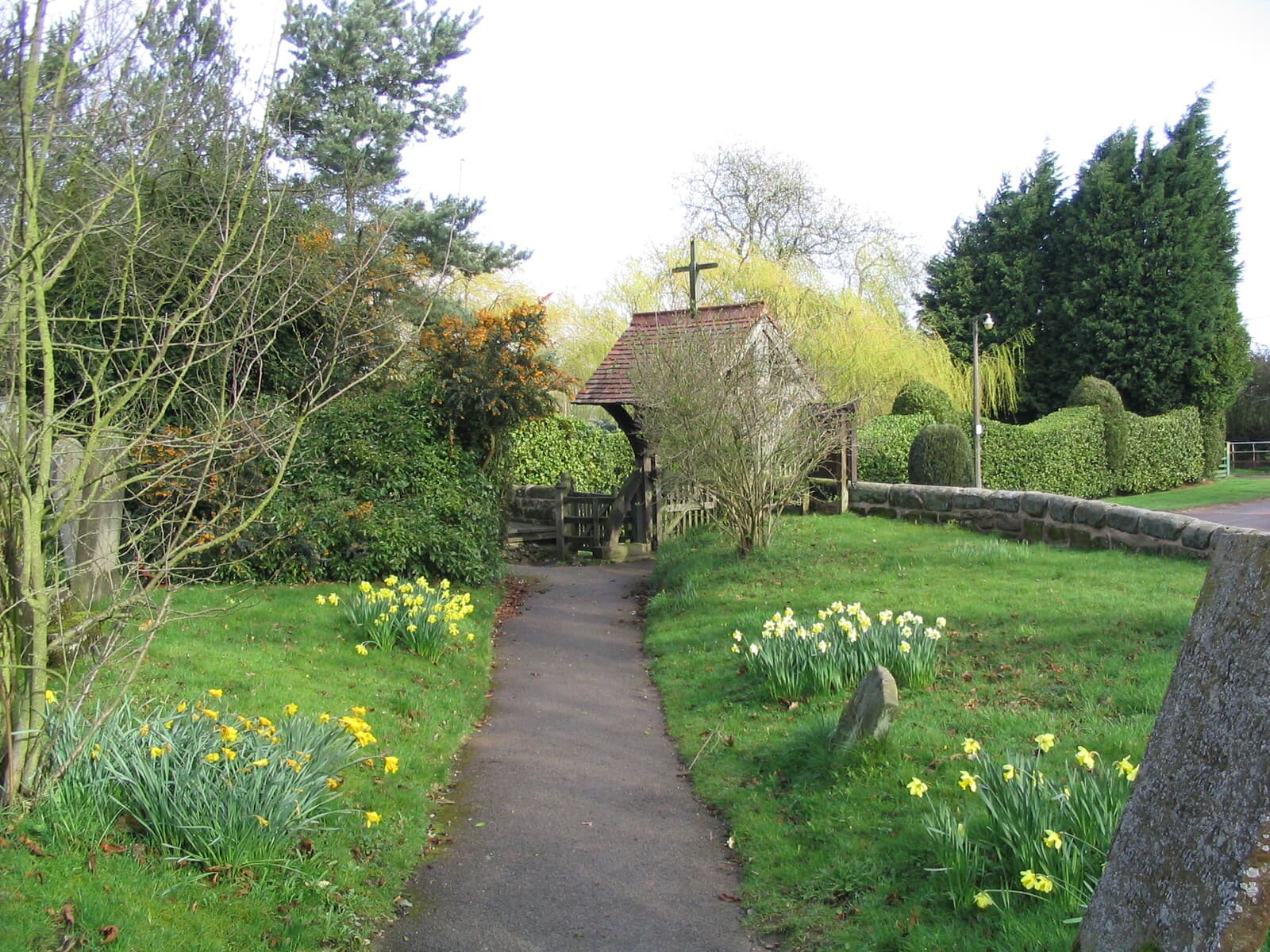
A few years ago the Community Payback Unit helped us clear a dense patch of brambles that were overwhelming some of the graves. This revealed a wonderful carpet of snowdrops which returns every year. Over time our volunteers have also planted over two thousand daffodils, choosing a selection of varieties to prolong the flowering season, most recently St Keverne and Tamara.
Birdsong
Listen, and let an app name the singers
If you look up into the trees in the churchyard, you will spot a variety of bird boxes offering suitable nesting sites.
The Merlin app is free to download on your phone and will identify any birds you hear on your walk, just by listening to the birdsong. You will hear our resident blackbirds and robins, but also a range of other calls, including goldfinch, chiffchaff, meadow pipit, cuckoo, barn swallow and woodpecker.

Our connection to pathways
The Way of St James
There is an added meaning to the sense of peace to be gained from the walk leading out from this particular churchyard, because the patron saint of Old Milverton church is St James the Great.
St James was a fisherman and one of the original twelve apostles. He is also the patron saint of Spain, after whom the famous Camino de Santiago de Compostela is named. His remains are reputed to be held in the cathedral there, and are visited by countless pilgrims of all faiths, and none, every year.

The scallop shell is his symbol. You see it both inside and on the doors of St James' church, and also as both modern and ancient waymarkers all along the Camino.
The traditional greeting between pilgrims on the way continues to this day: one calls 'Ultreia', to which the correct response is 'et suseia'. Onwards, and upwards.
“Ultreia”
“et suseia”
onwards, and upwards